Brushless Motors in Power Tools: A Practical Usage Guide
- How Brushless Motors Work in Power Tools
- Key Components of a Brushless System
- Efficiency That Translates Into Real Benefits
- Longer Runtime Per Charge
- Increased Power Without Added Size
- Reduced Heat and Wear
- Torque Control and Precision
- Durability and Long-Term Reliability
- Battery Management and Smart Features
- Noise and Vibration Reduction
- Cost Considerations and Value
- Comparison Guide: Popular Brushless Power Tools
- Overview Table
- DEWALT DCD791 Brushless Drill/Driver
- Milwaukee M18 Fuel Impact Driver
- Makita XFD131 Brushless Drill
- Bosch GSR18V-400 Brushless Drill
- Ryobi P252 Brushless Impact Driver
- Metabo HPT DV18DBFL2 Hammer Drill
- Craftsman CMCD721 Brushless Drill
- Kobalt KID1024A Brushless Impact Driver
- Ridgid R86039 Brushless Impact Driver
- Flex FX1371 Brushless Drill
- Choosing the Right Brushless Tool
- Maintenance and Best Practices
- Long-Term Ownership Perspective
- Final Thoughts
Modern power tools are built for efficiency, control, and endurance. At the center of this evolution stands the brushless motor. Unlike older brushed designs that rely on physical contact between components to transfer power, brushless motors use electronic control to deliver energy precisely where it is needed. The result is a tool that works harder, lasts longer, and wastes less power during daily use.
Brushless technology is no longer reserved for premium tools alone. It has become a defining standard across drills, impact drivers, saws, grinders, and outdoor equipment. Professionals and serious DIY users value brushless tools because they respond better under load, maintain consistent torque, and run cooler during extended sessions. This guide explains how brushless motors work, why they matter in real-world use, and how to choose the right brushless power tool for your needs.
How Brushless Motors Work in Power Tools
Traditional brushed motors use carbon brushes to deliver electrical current to a rotating armature. Friction, heat, and wear are inevitable byproducts of this system. Brushless motors eliminate brushes entirely. Instead, electronic speed controllers regulate current flow to the motor windings, creating rotation without physical contact.
This electronic control allows the tool to adjust power output in real time. When resistance increases, such as when drilling into dense material or driving long fasteners, the motor delivers additional torque instantly. When resistance drops, power output decreases, conserving battery energy and reducing heat.
Key Components of a Brushless System
-
Electronic controller that manages power delivery
-
Permanent magnets mounted on the rotor
-
Stator windings energized in precise sequences
-
Sensors or algorithms that track rotor position
This closed-loop system ensures efficiency and consistency across a wide range of tasks.
Efficiency That Translates Into Real Benefits
Efficiency is not an abstract concept. In daily use, it determines how long a battery lasts, how cool a motor runs, and how consistently a tool performs.
Longer Runtime Per Charge
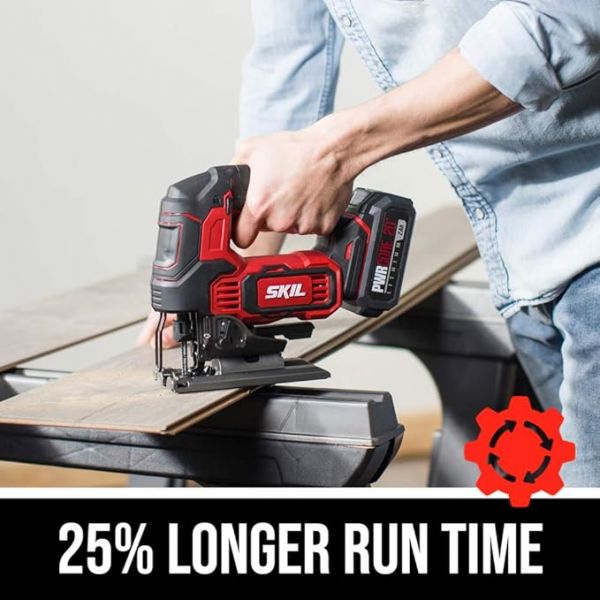
Brushless motors waste less energy as heat. That efficiency directly extends battery runtime. Users often notice significantly more work completed on a single charge compared to brushed equivalents, especially during demanding tasks.
Increased Power Without Added Size
Because brushless motors convert more electrical energy into usable torque, manufacturers can deliver higher performance without increasing motor size. Compact brushless tools often outperform larger brushed models.
Reduced Heat and Wear
Lower heat generation protects internal components. Bearings, windings, and electronics experience less stress, extending the lifespan of the tool.
Torque Control and Precision
Brushless motors excel at controlled power delivery. Electronic regulation allows tools to maintain steady speed under load and apply torque smoothly. This precision reduces cam-out, minimizes fastener damage, and improves finish quality in woodworking and metalworking tasks.
Impact drivers with brushless motors deliver sharper, more consistent impacts. Drills maintain RPM under pressure, preventing stalls and uneven holes. Circular saws hold blade speed through dense cuts.
Durability and Long-Term Reliability
With no brushes to wear down, brushless motors eliminate one of the most common failure points in traditional tools. Less friction means fewer sparks, reduced carbon buildup, and cleaner internal operation.
For professionals who rely on tools daily, this reliability reduces downtime and maintenance costs. For home users, it means tools that remain dependable for years of occasional projects.
Battery Management and Smart Features
Brushless tools often integrate advanced battery management systems. These systems monitor temperature, voltage, and current draw, protecting both the motor and battery pack.
Many platforms offer selectable speed modes, soft-start features, and overload protection. These functions enhance safety and improve control across different materials.
Noise and Vibration Reduction
Electronic commutation produces smoother operation. Brushless tools generally run quieter and vibrate less than brushed versions. Reduced vibration improves comfort during long work sessions and increases precision during detail-oriented tasks.
Cost Considerations and Value
Brushless tools typically cost more upfront due to advanced electronics and manufacturing complexity. However, their extended lifespan, reduced battery consumption, and higher productivity often offset the initial investment.
For users who frequently push tools hard, the long-term value becomes clear quickly.
Comparison Guide: Popular Brushless Power Tools
Overview Table
| Model | Tool Type | Voltage | Max Torque | Battery Platform | Approx. Amazon Price |
|---|---|---|---|---|---|
| DEWALT DCD791 | Drill/Driver | 20V | 460 in-lbs | 20V MAX | $179 |
| Milwaukee M18 Fuel 2853 | Impact Driver | 18V | 2000 in-lbs | M18 | $199 |
| Makita XFD131 | Drill/Driver | 18V | 440 in-lbs | LXT | $169 |
| Bosch GSR18V-400 | Drill/Driver | 18V | 400 in-lbs | CORE18V | $189 |
| Ryobi P252 | Impact Driver | 18V | 1800 in-lbs | ONE+ | $129 |
| Metabo HPT DV18DBFL2 | Hammer Drill | 18V | 620 in-lbs | MultiVolt | $199 |
| Craftsman CMCD721 | Drill/Driver | 20V | 350 in-lbs | V20 | $149 |
| Kobalt KID1024A | Impact Driver | 24V | 1800 in-lbs | 24V Max | $179 |
| Ridgid R86039 | Impact Driver | 18V | 2200 in-lbs | Octane | $189 |
| Flex FX1371 | Drill/Driver | 24V | 750 in-lbs | 24V | $249 |
DEWALT DCD791 Brushless Drill/Driver
Strengths
-
Compact design with strong torque
-
Efficient brushless motor
-
Comfortable grip and balance
Weaknesses
-
Premium price for bare tool
-
No hammer function
User Feedback
Users report excellent control and long battery life during framing, cabinetry, and general construction tasks.
Milwaukee M18 Fuel Impact Driver
Strengths
-
Exceptional torque output
-
Advanced electronic controls
-
Durable housing
Weaknesses
-
Slightly heavier than competitors
-
Loud under heavy load
User Feedback
Praised for driving long fasteners effortlessly and maintaining consistent performance under continuous use.
Makita XFD131 Brushless Drill
Strengths
-
Smooth operation
-
Reliable speed control
-
Proven battery platform
Weaknesses
-
Moderate torque compared to newer models
-
Plastic chuck feel
User Feedback
Known for reliability and comfort, especially in extended drilling sessions.
Bosch GSR18V-400 Brushless Drill
Strengths
-
Precise clutch settings
-
Lightweight design
-
Efficient motor management
Weaknesses
-
Less torque for heavy-duty drilling
-
Smaller accessory ecosystem
User Feedback
Users appreciate its precision and low fatigue during repetitive tasks.
Ryobi P252 Brushless Impact Driver
Strengths
-
Excellent value
-
Broad battery compatibility
-
Compact size
Weaknesses
-
Less refined electronics
-
Louder operation
User Feedback
Popular among DIY users for offering brushless performance at an accessible price.
Metabo HPT DV18DBFL2 Hammer Drill
Strengths
-
Strong torque output
-
Durable build
-
Good hammer performance
Weaknesses
-
Heavier body
-
Higher cost
User Feedback
Well-regarded for masonry and mixed-material drilling.
Craftsman CMCD721 Brushless Drill
Strengths
-
Solid everyday performance
-
Comfortable ergonomics
-
Affordable entry point
Weaknesses
-
Average torque
-
Limited premium features
User Feedback
Viewed as a dependable choice for home projects and light professional use.
Kobalt KID1024A Brushless Impact Driver
Strengths
-
High voltage platform
-
Strong torque delivery
-
Robust housing
Weaknesses
-
Larger size
-
Heavier battery packs
User Feedback
Users value its power and stability during demanding fastening jobs.
Ridgid R86039 Brushless Impact Driver
Strengths
-
Excellent torque-to-size ratio
-
Lifetime service agreement
-
Durable components
Weaknesses
-
Availability varies
-
Loud impact mechanism
User Feedback
Praised for reliability and strong warranty support.
Flex FX1371 Brushless Drill
Strengths
-
Very high torque
-
Advanced electronics
-
Premium build quality
Weaknesses
-
High price
-
Heavier than average
User Feedback
Users highlight its raw power and professional-grade performance.
Choosing the Right Brushless Tool
Selecting the right brushless power tool depends on task frequency, material types, and working environment. High-torque models suit structural work and heavy fastening. Compact drills excel in cabinetry and finish work. Battery platform commitment influences long-term value.
Maintenance and Best Practices
Brushless tools require minimal maintenance. Keeping vents clear, avoiding prolonged overheating, and using compatible batteries preserve performance. Proper storage protects electronic components.
Long-Term Ownership Perspective
Brushless motors redefine what users expect from power tools. They deliver efficiency, durability, and intelligent performance that align with modern workflows. Over time, these advantages translate into fewer interruptions, lower operating costs, and greater confidence on the job.
Final Thoughts
Brushless motors matter because they improve every aspect of power tool performance. From longer runtime and higher torque to reduced wear and smarter control, they represent a meaningful advancement for both professionals and dedicated DIY users. Investing in brushless technology means investing in tools that keep pace with real work.